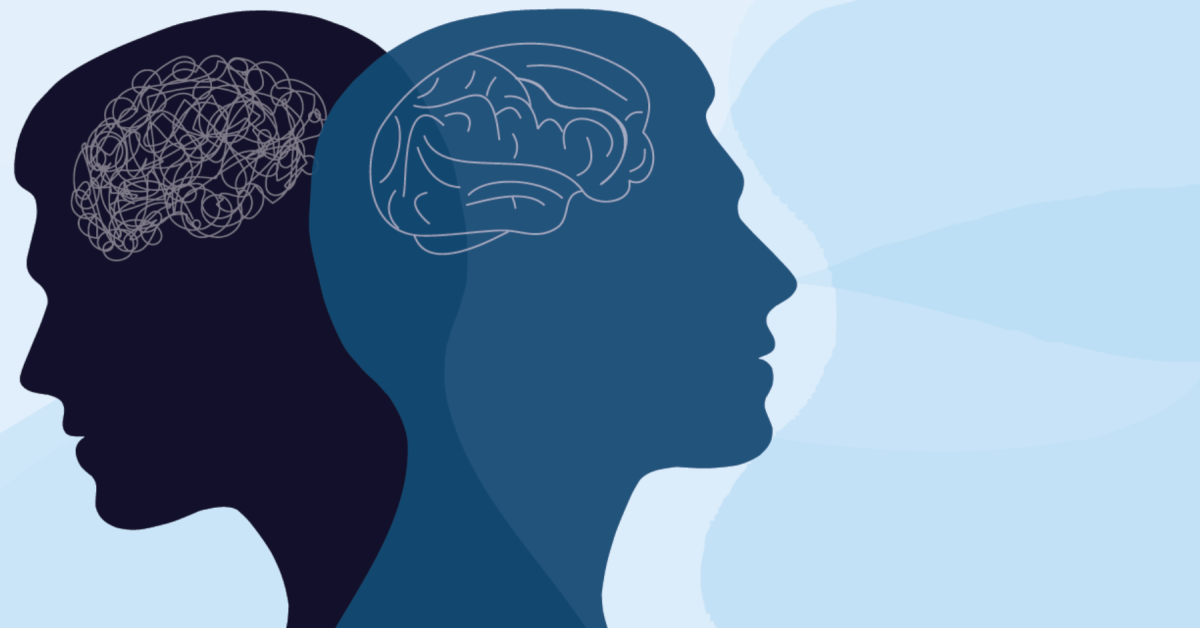
In today’s fast-paced world, maintaining both physical and mental wellbeing is more important than ever. A balanced lifestyle that incorporates innovative therapies, structured treatment programs, and holistic practices can help individuals achieve overall health. From addressing chronic pain to managing mental health disorders, various solutions are available to support individuals in leading fulfilling lives.
Class IV Laser Therapy: Advanced Healing for Physical Wellbeing
Class IV laser therapy is a modern approach that has gained attention for its effectiveness in managing pain and promoting tissue repair. Unlike traditional treatments, Class IV laser therapy uses high-intensity light to penetrate deep into tissues, stimulating cellular regeneration and improving circulation. This therapy is particularly beneficial for individuals suffering from chronic pain, musculoskeletal injuries, or post-surgical recovery challenges. By enhancing the body’s natural healing processes, Class IV laser therapy not only reduces discomfort but also supports long-term physical wellbeing. Many patients report improved mobility and reduced inflammation after regular sessions, making it a valuable tool in comprehensive physical health management.
Residential Eating Disorder Treatment: Comprehensive Care for Mental Health
Residential eating disorder treatment provides an intensive, structured environment where individuals receive round-the-clock support for recovery. Eating disorders often involve complex physical and psychological factors, making comprehensive care essential. Residential programs offer medical monitoring, nutritional counseling, and therapeutic interventions designed to address both the physical consequences of disordered eating and the underlying emotional challenges. By combining evidence-based therapies with personalized support, residential eating disorder treatment helps patients rebuild healthy eating habits, improve body image, and strengthen mental resilience. This immersive approach ensures that individuals receive consistent care, which is crucial for long-term recovery and mental wellbeing.
Mindfulness and Meditation: Cultivating Mental Clarity
Mindfulness and meditation are practices that have been widely recognized for their ability to enhance mental wellbeing. These techniques encourage individuals to focus on the present moment, reducing stress and promoting emotional balance. By incorporating daily mindfulness exercises or guided meditation sessions, people can learn to manage anxiety, improve concentration, and cultivate a sense of inner calm. Over time, these practices can significantly reduce the impact of stress-related conditions, contributing to overall mental and emotional health.
Physical Exercise: Strengthening Body and Mind
Regular physical exercise is one of the most effective ways to maintain both physical and mental wellbeing. Engaging in activities such as walking, swimming, or strength training not only improves cardiovascular health and muscle strength but also boosts mood through the release of endorphins. Exercise is known to reduce symptoms of depression and anxiety, while also enhancing sleep quality and cognitive function. A well-rounded fitness routine can complement other therapies like Class IV laser therapy, supporting recovery from injury while promoting a balanced, healthy lifestyle.
Nutritional Support: Fueling Overall Wellness
Nutrition plays a critical role in sustaining physical and mental health. A balanced diet rich in vitamins, minerals, and essential nutrients supports bodily functions, strengthens the immune system, and improves energy levels. In the context of mental wellbeing, proper nutrition has been linked to better cognitive function and mood regulation. Nutritional counseling, particularly in structured programs like residential eating disorder treatment, ensures that individuals receive the guidance needed to develop lifelong healthy eating habits, further supporting their overall wellness journey.
Holistic Therapies: Integrating Mind and Body Care
Holistic therapies, including acupuncture, massage, and yoga, offer additional ways to enhance wellbeing. These therapies address the mind-body connection, promoting relaxation, reducing stress, and alleviating pain. By incorporating holistic practices alongside conventional treatments, individuals can experience a more balanced approach to health that nurtures both physical and mental aspects. These therapies can be particularly effective when integrated into comprehensive care plans that include medical, psychological, and lifestyle support.
Conclusion
Enhancing physical and mental wellbeing requires a multi-faceted approach that combines innovative therapies, structured treatment programs, lifestyle changes, and holistic practices. Solutions like Class IV laser therapy offer effective pain management and tissue repair, while residential eating disorder treatment provides critical support for mental health recovery. Complementary strategies, including mindfulness, exercise, nutrition, and holistic therapies, further strengthen overall health. By embracing these solutions, individuals can create a balanced, sustainable approach to wellbeing, leading to improved quality of life and long-term resilience.