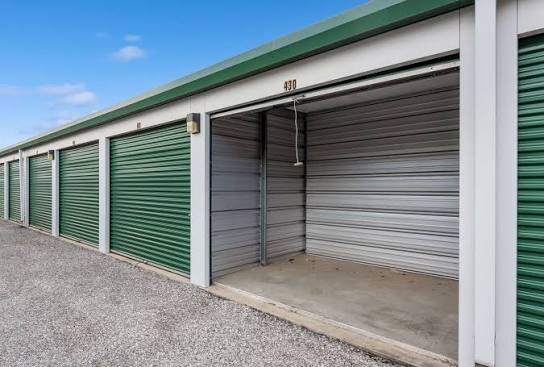
Managed indoor temperatures cannot fix a damp cushion or a sealed box of wet linens. Temperature control reduces certain risks, but conditions inside a package can differ from the air around it. Careful packing and a sensible layout help stored belongings benefit from the space.
Controlled Air Does Not Reach Inside Every Box
Climate control works on the air within a building, not directly on the contents of every suitcase, plastic tote, or furniture wrap. Closed containers hold whatever moisture was present when they were packed. Thick blankets folded while slightly damp can develop odors even when the surrounding room stays cool. Documents pressed against a damp surface can suffer similar damage. People comparing storage units near me should ask what the facility actually regulates, then prepare their belongings for those conditions rather than treating the unit as a substitute for drying and cleaning.
Why Drying Comes Before Sealing
Washed curtains, cleaned upholstery, and defrosted refrigerators need time to dry beyond the surface. Moisture often lingers in sofa seams, foam cushions, and refrigerator gaskets. Sealing these items immediately can trap water where it becomes hard to notice.
Before a move, owners can vacuum upholstered furniture, wipe accessible surfaces, and allow everything to dry thoroughly. Appliances that held water should be drained and dried according to manufacturer instructions. Musty items need attention before entering storage, not another layer of wrapping.
Match the Container to What Is Inside
Plastic bins are useful for many household goods, especially when their lids fit properly and the contents are completely dry. They do not, however, remove humidity already sealed inside. Photographs and documents may need archival folders, while delicate fabrics benefit from wrapping that will not stain them. Electronics should go into appropriate packaging with batteries removed where manufacturer guidance recommends it. Within self storage, matching containers to materials matters more than buying one box type for everything. Loose contents also need cushioning so they cannot shift during transport.
Can Furniture Covers Trap Moisture?
Tightly taped plastic may keep dust off a couch but limit drying if the upholstery holds moisture. Condensation can collect under certain conditions, and direct contact with plastic may damage some finishes. Breathable furniture covers are often preferable for clean, dry pieces.
Leather and finished wood call for extra care because cleaning products and packing materials vary by finish. Owners should follow manufacturer instructions and avoid pressing heavy boxes against upholstery. Any cover must fit loosely enough that it does not create lasting marks.
Leave Air Paths Without Wasting Floor Space
Filling a rental wall to wall makes inspection harder and can block vents or airflow paths. Leave required clearances around building equipment and openings, following facility rules. One aisle makes it possible to reach the back without dragging cartons over furniture. Keep boxes on sound shelving or approved raised supports if appropriate, rather than placing vulnerable materials directly on the floor. Air circulation cannot fix a leak or wet belongings, but an accessible layout makes early signs of trouble easier to spot.
What Happens When Stacks Get Too Tight?
Overloaded cartons may bow and press against one another, damaging contents or popping lids open. Heavy stacks can also make it impossible to check a box that smells damp. Choose containers rated for the load and keep heavier items underneath.
Large mattresses and cushions need particular attention. Compression can distort their shape, while stacking objects on top of upholstered pieces may leave permanent dents. Store them in the position recommended by the manufacturer and avoid blocking the building’s ventilation features.
Ask What the Facility Controls
Not all climate controlled storage manages relative humidity to a set target. Many facilities regulate temperature while moisture levels still change with outdoor weather, building use, and door openings. Renters should ask whether humidity is monitored, whether any target range is maintained, and what items the rental agreement prohibits. An inexpensive hygrometer can track conditions inside a unit if permitted, though readings near a damp carton may differ from the room average. Highly sensitive collections may need specialist storage with documented controls instead of ordinary storage units.
Plan for Visits After Move-In
Periodic inspections remain worthwhile, especially after heavy rain or long periods without access. Look for musty odors, water marks, damaged cartons, and changes in furniture coverings. Identifying a problem early may prevent it from spreading to nearby belongings.
Storage Partner serves households with self-storage options that include climate-controlled units at select locations. Customers can compare available features and sizes before renting, then arrange their belongings so covers stay loose, boxes remain reachable, and stored items can be checked throughout the rental.